What Cannabis Gave Amanda Back.
Amanda has Crohn's, lupus, and two cancers in remission. Cannabis gave her back sleep, appetite, and basketball. 21+.
LoCal Green — California cannabis: education, industry, and the people behind it. Intended for adults 21 and over.
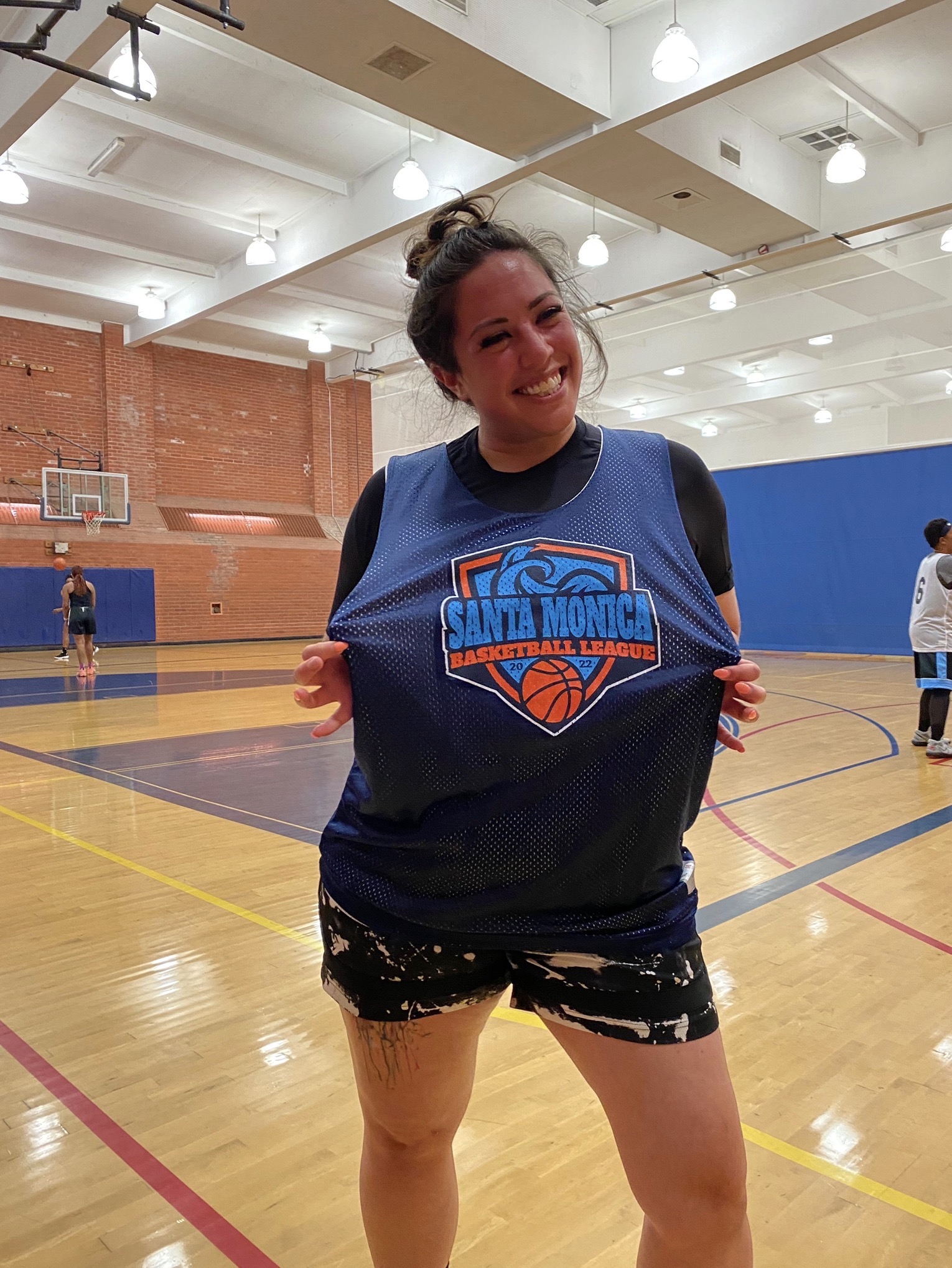
Amanda plays basketball again.
Start there, because for years she could not.
Not "chose not to." Could not. The pain took it from her.
Amanda is 36 and she is from Long Beach, California.
She founded Kaizen Sports and works as a global marketing advisor in basketball.
The game is not a hobby for her — it is her career and most of her life.
Cannabis is part of how she got back on a court.
Here is the whole story.
What has she been through?
More than most people go through in 100 years.
At fifteen, she was diagnosed with Crohn's disease, following a traumatic brain injury.
In 2010, lupus.
On top of the Crohn's, not instead of it.
She tried biologic treatments.
She tried diets.
Nothing held.
In 2016, doctors operated to remove the damaged sections of her intestine.
During the surgery they found colon cancer.
They removed her entire large intestine, and she woke up with an ileostomy bag.
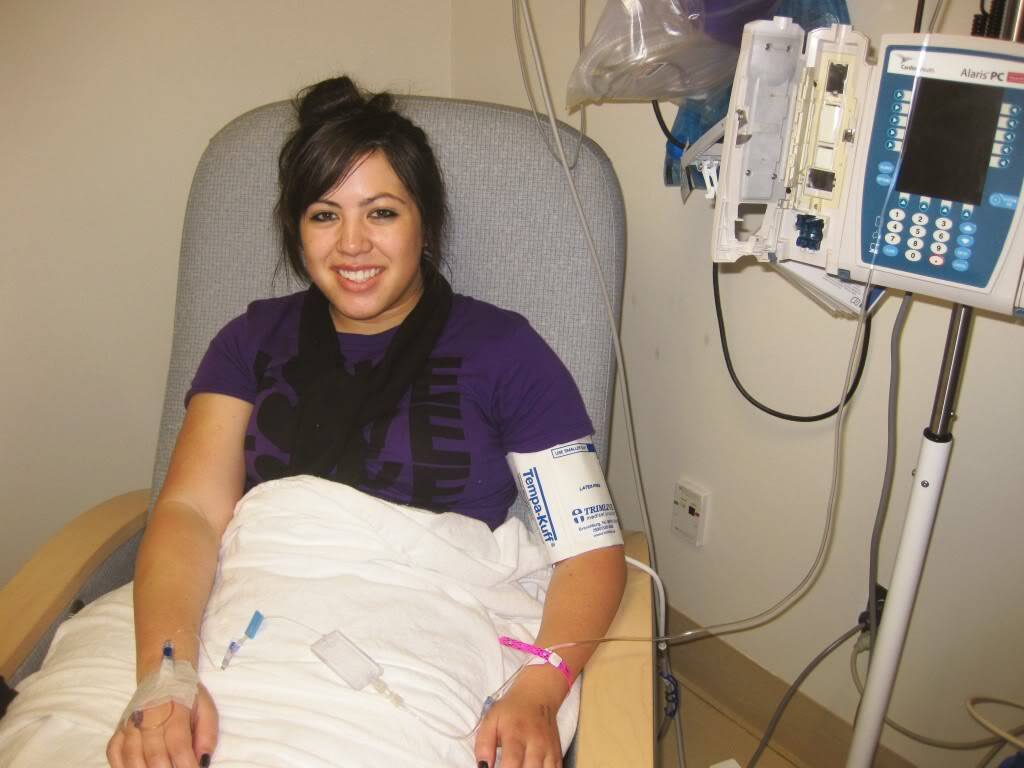
Photo courtesy of Amanda.
Thirteen more surgeries followed, from complications.
The bag is permanent.
Chemotherapy and surgery put the colon cancer into remission.
Then in 2025 came a cervical cancer diagnosis.
Surgery again.
Remission again.
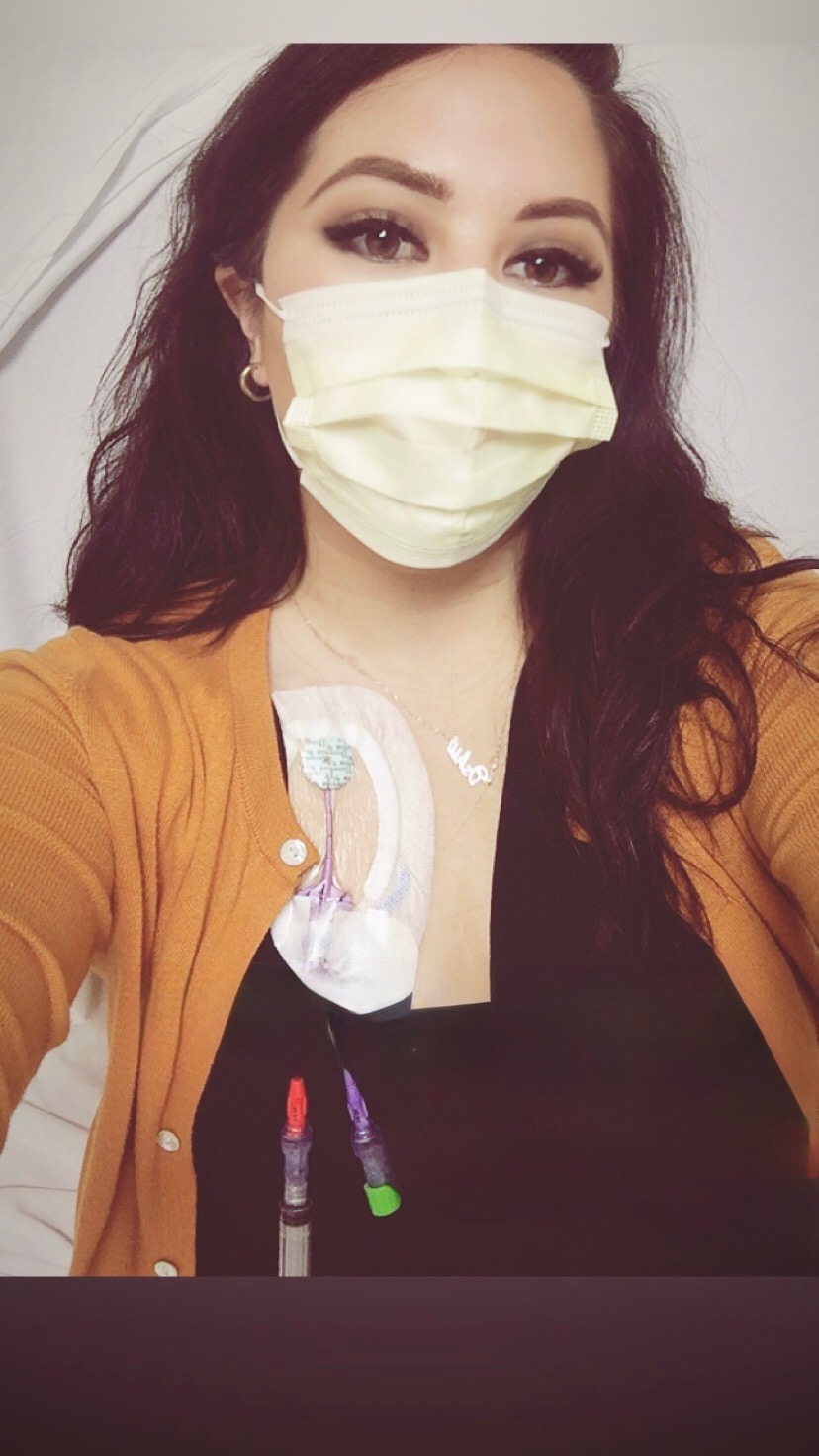
Photo courtesy of Amanda.
What did life look like before?
Ask her which symptoms hit hardest and she does not hesitate: chronic pain, inflammation, anxiety.
Here is what that meant on a normal day.
She could not sleep.
She could not eat properly.
She could not work.
She definitely could not play.
The pain was constant, and it brought depression and anxiety with it.
And there was the bag.
She felt constant anxiety and shame about it.
Being anywhere in public meant always knowing where the nearest bathroom was.
Her life kept getting smaller, in every direction at once.
How did she find cannabis?
Not the way you would guess.
Her nurse and her doctor suggested it.
In the hospital.
Then people in her support group told her it had helped them.
Then a budtender at Catalyst — the licensed dispensary founded in Long Beach in 2020, now running around thirty locations across California — walked her through what the products actually were: CBD and THC, tinctures and flower, what cannabinoids even are.
Amanda goes to the shop on 2nd Street in Belmont Shore. Partly because it is close. Mainly, she says, because of the service.
She never caught the name of the budtender who taught her. She remembers the help.
Medical professionals first.
Then other patients.
Then trained cannabis retail staff.
A budtender is not a doctor, and nobody should treat them like one.
But when your doctor has already raised the idea, and you are standing in front of a wall of products you do not understand, somebody who can explain the difference between a tincture and flower is genuinely useful.
What changed?
She uses flower and tinctures, THC and CBD.
Mostly at night before bed, sometimes during the day.
Her words: cannabis gives her a break from the pain without relying on narcotics.
She sleeps.
She eats.
She is active and playing basketball again.
She feels in control of her own life.
Notice what she is not saying.
She is not saying the pain is gone.
She is saying she gets a break from it — and that the break does not come from an opioid.
After fifteen surgeries, staying off long-term narcotics is not a small thing.
It might be the whole thing.
What does the science actually say?
What cannabis gave Amanda was help with everything around the illness.
The sleep, the appetite, the pain.
Here is what the research says about that.
It cuts in both directions, and both are worth knowing.
Crohn's has real clinical trials. That is rare in cannabis research, where most of the evidence is surveys.
Dr Timna Naftali's team in Israel ran randomised, placebo-controlled trials.
In the 2013 trial, twenty-one patients whose Crohn's had not responded to steroids, immunomodulators or biologics got THC cannabis or a placebo for eight weeks.
Ten of the eleven cannabis patients improved.
Four of ten improved on placebo.
Five cannabis patients reached full clinical remission, against one on placebo — a gap too small to be statistically significant in a trial that size, but not nothing.
A second trial in 2021 used CBD-rich oil taken orally and found the same pattern: clear improvement in symptoms and quality of life.
But both trials found the same catch. Patients felt better — and the inflammation in their gut did not measurably change.
No improvement in endoscopic scores.
No improvement in inflammatory markers.
Feeling better and getting better are not the same thing.
Cannabis can do the first while the disease underneath keeps moving.
That is why every serious source lands in the same place: cannabis alongside proper IBD treatment and regular monitoring.
Never instead of it.
Chronic pain has the strongest evidence of all.
In 2017, the National Academies of Sciences reviewed more than ten thousand studies and found substantial evidence that cannabis works for chronic pain in adults — one of only three uses to earn their highest rating.
Chronic pain is Amanda's number one complaint.
This is the part of her story with the most science behind it.
The honest other half: the International Association for the Study of Pain looked at the same research in 2021 and declined to endorse cannabinoids for pain, because it judged the existing trials not good enough yet.
Strong evidence and settled science are not the same thing.
Chemo nausea is the oldest story in medical cannabis.
The FDA approved two synthetic cannabinoid medicines for chemotherapy-induced nausea back in 1985 — decades before any state licensed a dispensary.
Doctors still prescribe them today when the standard anti-nausea drugs fail. Amanda knows that side of chemotherapy firsthand.
Lupus is where the research runs out.
There is almost no direct clinical research on cannabis and lupus.
No completed trial shows it helps.
None shows it does not.
Whatever cannabis does for Amanda's lupus, the right label is "her experience," not "established science."
Anxiety cuts both ways.
Early clinical work on CBD looks promising.
THC can go the other direction — the same compound that relaxes one person can wind another one up, depending on the amount and the person.
One more reason nobody should copy anyone else's routine.
What should you keep in mind?
Amanda smokes flower.
Smoke is smoke — combustion carries its own risks, and for people with IBD specifically, smoking is generally not recommended.
That conversation belongs with a gastroenterologist, not a website.
Cannabis interacts with medications, including some immunosuppressants and biologics, and those interactions are not well understood yet.
If you are being treated for an autoimmune condition, talk to the person managing your care before adding anything.
And we are not publishing what Amanda takes or how much.
Dosing is personal.
It depends on your body and your medications, and getting it from an article is a bad idea — so we will not offer it.
So why tell this story at all?
Because studies tell you what happened across a sample.
They cannot tell you what it is like to be twenty-six, waking up from surgery with a bag attached to you, hearing that the sport your whole life is built around is gone.
And they cannot tell you what it is like to get some of it back.
Amanda's experience is hers.
It is not a template, a protocol, or a promise.
Your body is different.
Your conditions are different.
Your doctor knows things about you that we never will.
But she sat down and talked publicly about the pain, the depression, and the shame about her own body.
Most people would not.
If you are reading this from a hospital bed, holding a diagnosis you do not understand yet, that might be worth more than any study.
And the shame did not get the last word.
Amanda is open about living with an ileostomy — a vocal advocate, not a reluctant subject — precisely so the next person who wakes up with one feels less alone.
Count what it took to get here.
Two diseases that never go away.
Two cancers.
Fifteen surgeries.
A bag she will wear for the rest of her life.
Any one of those is a reason to quit.
She collected all of them, and never did.
Behind every clinical conversation there is a person.
This one plays basketball again.
The pain took basketball from her. She took it back.
Amanda shared her story with us directly and consented to its publication. Photos courtesy of Amanda, used with permission. Educational information only, for adults 21 and over — this is not medical advice and it is not a treatment recommendation. Cannabis affects everyone differently and interacts with many medications. If you are managing a chronic illness, talk to the doctor who knows your history before changing anything. New here? Start with Welcome to LoCal Green.